Featured
Table of Contents
To see how other brands utilize efficiency media for fast validation, check out The ROI Transformation playbook. Paid and natural channels are most efficient when utilized in performance: Promote top-performing natural posts to scale reach. Use paid search to target high-value keywords that are tough to rank for organically. Run retargeting projects on natural traffic to improve conversion.
Rather than treat them as silos, treat them as signalspaid offers speed, natural builds trust. Uncertain where to designate your advertisement invest? Explore our guide to mastering digital marketing channels. To run and scale paid media successfully, marketers depend on:: Google Ads, Meta Ads Manager, TikTok for Organization: Canva, Figma, Creative Center: Google Analytics, Triple Whale, Rockerbox: Segment, Northbeam, HubSpotThese tools assist track ROI, run experiments, handle possessions, and ensure your media spend equates into meaningful development.
With increasing noise, reduced attention spans, and more discerning buyers, paid channels use a method to reach, transform, and discover quicker. In 2025, winning groups will deal with paid media not as a spending plan line product, but as a strategic function ingrained throughout performance, imaginative, and item marketing.
Initially, identify the core audience for your PSA. If your project is about promoting healthy eating habits in children, your target market may consist of parents and schools. For campaigns such as promoting for regular health screenings in older grownups, you would target demographics based upon age, location, and potentially even medical history.
PPC and Social Media: Choosing the Strategic Mix
Digital platforms like Google Advertisements and Facebook use granular targeting choices based on interests, behaviors, search history, and more. Traditional media, while less accurate, still provides targeting through the selection of particular programs, times, and geographic locations. For a PSA campaign on smoking cigarettes cessation, you may use social networks targeting to concentrate on people thinking about wellness and health-related topics or those who have actually engaged with smoking cessation resources in the past.
Polishing Your Marketing Funnel for Efficiency
Your campaign's messaging must also be tailored to resonate with the target audience. A PSA about the significance of vaccination, for example, might have various angles: one for health care specialists, highlighting their role in public health, and another for moms and dads, concentrating on child security. Last but not least, continually examine the information from your projects to fine-tune your targeting methods.
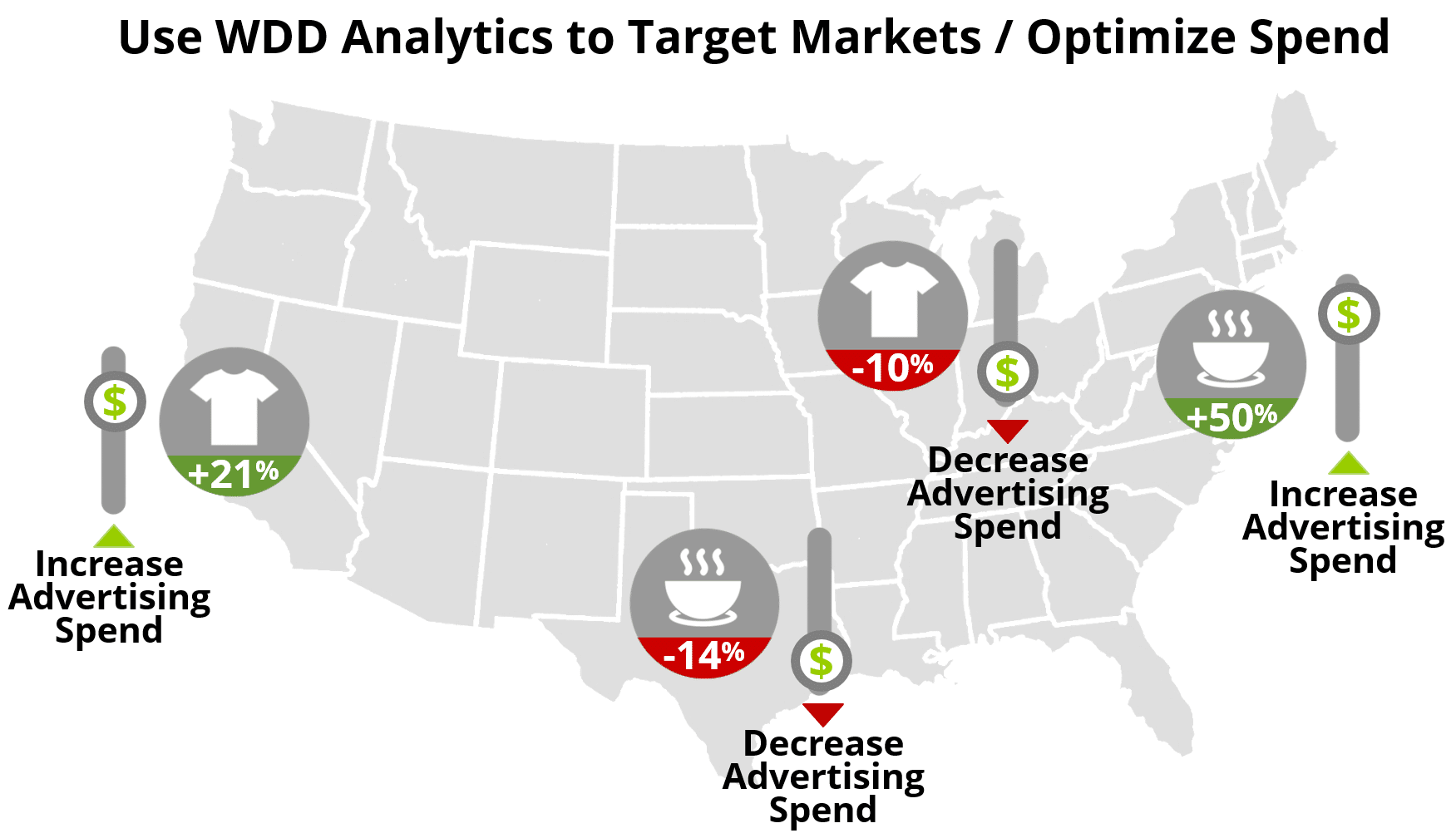
By constantly enhancing your audience targeting, your PSA projects will end up being more reliable in time, ensuring that your message not just reaches the ideal ears but also prompts the desired action. Producing effective paid media campaigns involves a tactical mix of audience insight, compelling material, and the smart placement of ads.
Make use of place-based media to provide contextually pertinent messages in environments where they will resonate many. Whether digital billboards in high-traffic locations or screens in doctors' workplaces for health-related PSAs, the environment can strengthen the message's importance and urgency.: Understanding your audience is the initial step in designing an effective project.
This understanding is especially crucial when deploying place-based media, as the message must relate to the audience in that specific area. Your message must cut through the sound and capture attention. This is especially true for place-based media, where you have a minimal time to engage audiences. Your call to action should be clear, concise, and easily actionable.
Future-Proofing Current Display Media Plan
For place-based media, choose areas that are frequented by your target group and think about times of day when foot traffic is greatest to maximize direct exposure. Design visuals that are not just captivating however likewise proper for the context of the positioning. For digital screens in public places, utilize brilliant, clear imagery and very little text to convey your message rapidly.
Ensure that your place-based media is customized for the environment where it's displayed. Advertisements in a train station, for instance, need to be developed to catch the attention of hectic commuters. Conduct tests to see which versions of your place-based ads perform finest. This might mean attempting different messages at various times or tweaking the design based upon the place's specific characteristics.
Use the information to make fast changes to improve engagement. Quantify the success of your projects by setting KPIs that are suited to place-based media, such as foot traffic counts, QR code scans, or direct engagement with the advertisement. Just like any campaign, however especially with PSAs, support high ethical standards.
After the campaign concludes, seek feedback and measure long-lasting impact through follow-ups. This can be specifically useful for place-based media, as direct interaction with the audience can provide immediate and actionable insights. Incorporating these finest practices into your paid media method, particularly with the strategic use of place-based media, can significantly amplify the efficiency of your campaigns.
Comparing SEM and Social Media to Increase Conversions
Online marketers understand that you can't rely on a single tactic to reach your audience, especially online. The internet is an increasingly stratified location, with potential consumers spread out throughout channels and giving their restricted time and attention to just the very best and most pertinent content. Brand names need to have a variety of techniques to cut through the noise, construct brand name awareness, and convert the ideal consumer.
In this post, we'll discuss 5 paid media strategy tips, emerging trends, and examples to assist you serve the right content and get an edge on the competitors. As a quick refresher, paid media refers to any marketing or advertising content that an organization spends for. That remains in contrast to owned media, which refers to the channels your organization owns and releases material on, and earned media, which describes mentions of your business that are produced or shared by third-parties, like consumers or news outlets.
The majority of marketers have used some type of paid media to attract or retain customers, like the following examples: TV and radio business Standard print ads Pay-per-click (PAY PER CLICK) ads Show advertisements Social media ads Online search engine Marketing (SEM) or paid search advertisements Sponsored material Influencer marketing projects Co-marketing campaigns Paid media has a couple of distinct advantages.
Comparing Search and Display Ads to Increase Conversions
You can create and publish a Facebook advertisement that specifically targets your high-intent potential customers and ideal clients in minutes and rapidly discover lots of important insights. Similar to owned media, paid media provides control of imaginative direction and messaging, whether it's a paid blog site post or creator collaboration. It's also a source of passive list building, implying your post is always on and working for your brand up until you pivot to the next campaign.
For example, quote costs for popular keywords like "finest marketing platform" can end up being costly rapidly. Another element is that customers don't trust paid marketing almost as much as family and friend recommendations. Nevertheless, sponsored influencer material is gaining major credibility. According to Matter, 61% of customers are likely to trust recommendations from an influencer, pal, or household member on social media, while only 38% trust a brand's recommendation.

Latest Posts
Evaluating the True Impact of Business Giving Programs
New Strategies for Effective Non-Profit Partnerships
Updating Your Paid Marketing Plan